Origins and development

From Type 1934 to 1945

German destroyer development restarted with the large Type 1934, a heavily armed design built around high-pressure machinery. Successive classes tried to improve seaworthiness, range and reliability while later wartime projects explored diesel propulsion, dual-purpose artillery and scout-cruiser concepts. The completed ships fought in Norway, the Arctic, the Channel, the Baltic and the final evacuations from the eastern front.

Profile for Zerstörer 1934

Destroyer development

Zerstörer 1934

4 ships
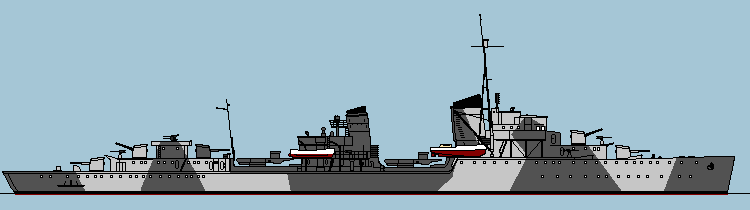
The Type 1934 ships were Germany’s first postwar destroyers. Powerful armament and ambitious machinery came at the cost of poor seakeeping, limited stability and structural weakness.Explore class and ships →
Profile for Zerstörer 1934A

Destroyer development

Zerstörer 1934A

12 ships
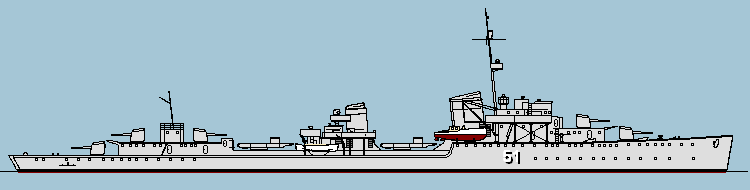
Type 1934A enlarged and refined the first design. Its twelve ships formed the largest named-destroyer group and suffered heavy losses at Narvik.Explore class and ships →
Profile for Zerstörer 1936

Destroyer development

Zerstörer 1936

6 ships
The Type 1936 used a longer, better-shaped hull to improve seakeeping and range while retaining five 12.7 cm guns. Six ships were completed, and five were lost during the battles around Narvik in April 1940.Explore class and ships →
Profile for Zerstörer 1936A

Destroyer development

Zerstörer 1936A

8 ships
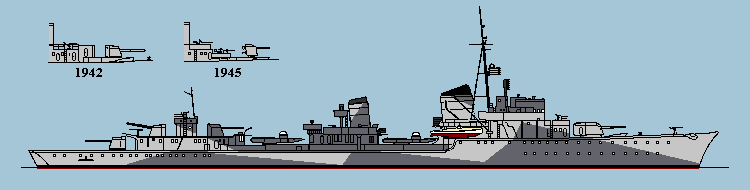
Known to the Allies as the Narvik class, Type 1936A introduced 15 cm guns to give a destroyer unusually heavy artillery. Eight ships entered service, though the forward twin mounting made later units wet and bow-heavy.Explore class and ships →
Profile for Zerstörer 1936a (Mob)

Destroyer development

Zerstörer 1936a (Mob)

7 ships
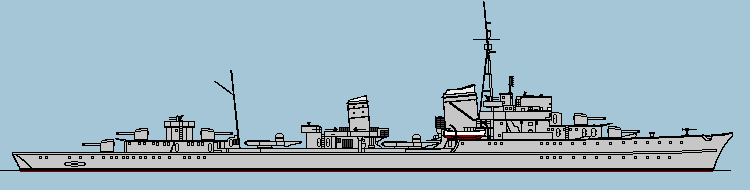
The wartime Type 1936A (Mob) continued the heavily armed Narvik design under mobilization conditions. Seven ships were completed with 15 cm artillery and served mainly in Arctic and Baltic waters.Explore class and ships →
Profile for Zerstörer 1936B

Destroyer development

Zerstörer 1936B

5 ships
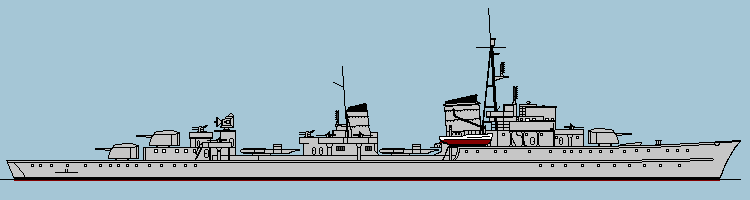
Type 1936B returned to five 12.7 cm guns, producing a more balanced ship with stronger anti-aircraft potential than the 15 cm-armed predecessors. Three of the five launched ships entered service before the war ended.Explore class and ships →
Profile for Zerstörer 1936C

Destroyer development

Zerstörer 1936C

Project
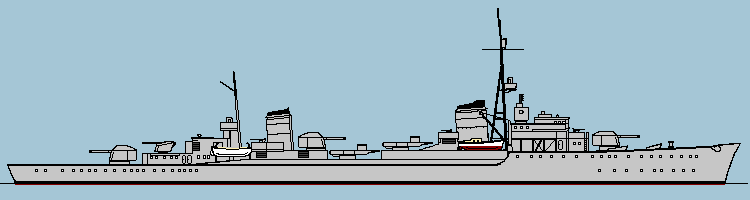
Type 1936C was intended to combine destroyer speed with new 12.8 cm dual-purpose guns in twin mountings. Five ships were ordered, but construction never progressed far enough for any unit to be completed.Explore project →
Profile for Zerstörer 1938A/Ac

Destroyer development

Zerstörer 1938A/Ac

Project
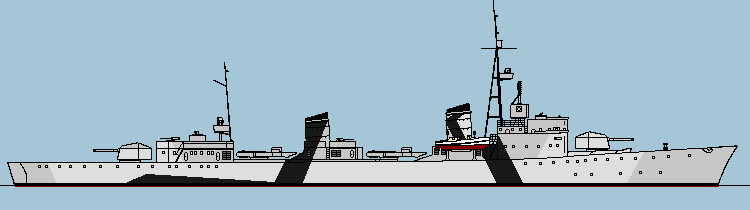
The Type 1938A and Ac studies explored large ocean-going destroyers for long-range Atlantic operations. Diesel propulsion, heavy artillery and extended endurance pushed the designs toward the size of small cruisers.Explore project →
Profile for Zerstörer 1938B

Destroyer development

Zerstörer 1938B

Project
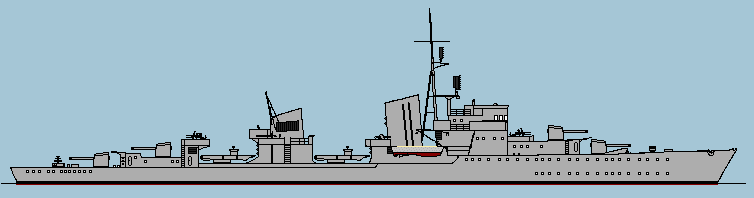
Type 1938B proposed a smaller destroyer optimized for operations in the North Sea and Baltic. The design emphasized numbers and conventional armament, but the planned ships were canceled before construction.Explore project →
Profile for Zerstörer 1942

Destroyer development

Zerstörer 1942

Project
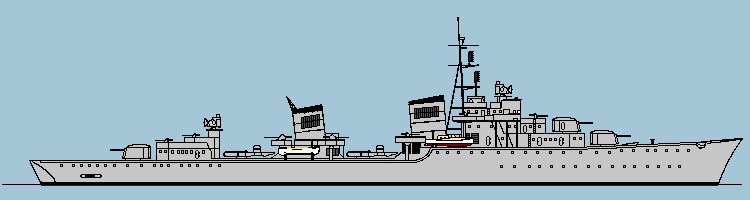
Type 1942 introduced diesel propulsion in an attempt to obtain the range required for Atlantic operations. The prototype Z51 was laid down, but air attack destroyed the incomplete ship in 1945.Explore project →
Profile for Zerstörer 1944

Destroyer development

Zerstörer 1944

Project
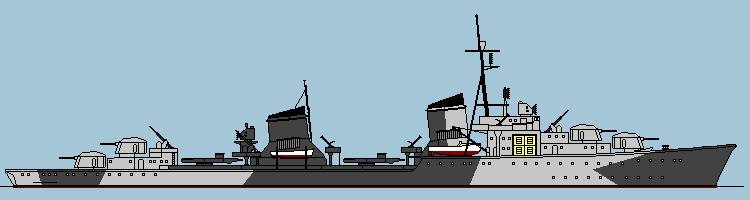
The Type 1944 project developed the diesel destroyer into a larger Atlantic escort with substantial range and dual-purpose firepower. It remained a design study as German shipbuilding capacity collapsed.Explore project →
Profile for Zerstörer 1945

Destroyer development

Zerstörer 1945

Project
Type 1945 was the final wartime destroyer proposal, combining diesel machinery with revised weapons and protection. The project never advanced beyond the planning stage.Explore project →
Profile for Spähkreuzer

Destroyer development

Spähkreuzer

Project
The Spähkreuzer concepts bridged the gap between destroyer and light cruiser. Intended as fast ocean scouts with diesel endurance and cruiser-like artillery, the increasingly ambitious designs were never built.Explore project →