Origins and purpose

Historical context

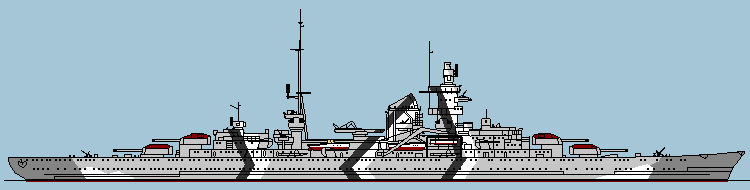
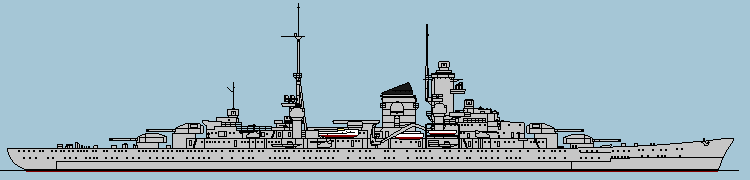
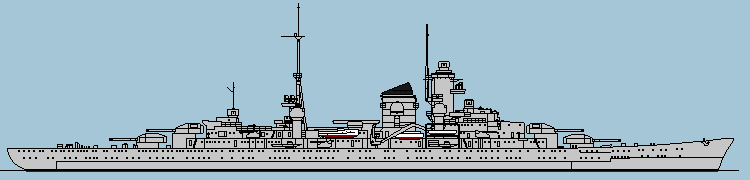
The Admiral Hipper class was developed within the nominal limits of the interwar treaty system, though the completed ships greatly exceeded the declared 10,000 tons. They combined eight 20.3 cm guns with high speed and extensive armor. Complex high-pressure machinery reduced their range and reliability, limiting their suitability for the commerce-raiding role that shaped their design.
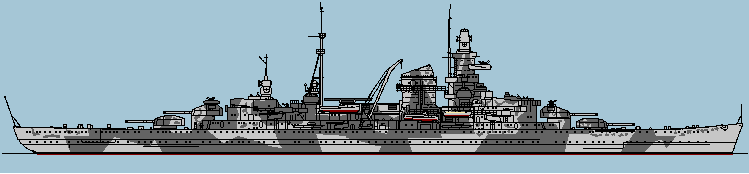
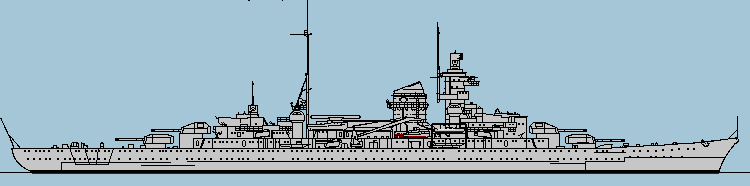
Profile of Admiral Hipper

Heavy Cruisers

Admiral Hipper

1939–1945
A powerful but machinery-troubled cruiser active from Norway to the Arctic convoy routes.Explore ship →
Profile of Blücher

Heavy Cruisers

Blücher

1939–1940
Lost on her first operation to Norwegian coastal defenses in the narrow waters of Oslofjord.Explore ship →
Profile of Prinz Eugen

Heavy Cruisers

Prinz Eugen

1940–1946
The ‘lucky ship’ survived the war, only to end her career in the atomic tests at Bikini.Explore ship →
Profile of Seydlitz

Heavy Cruisers

Seydlitz

1936–1945
Nearly complete as a cruiser, then selected for an aircraft-carrier conversion that also remained unfinished.Explore ship →
Profile of Lützow

Heavy Cruisers

Lützow

1937–1960
Sold incomplete to the Soviet Union, where the former cruiser fought as the floating battery Petropavlovsk.Explore ship →