Origins and operations
The coastal offensive
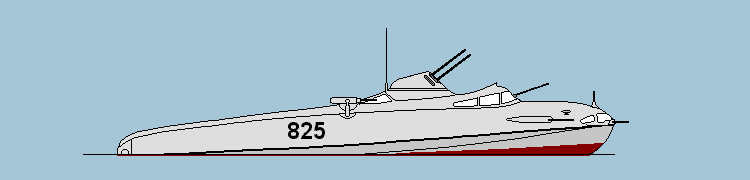
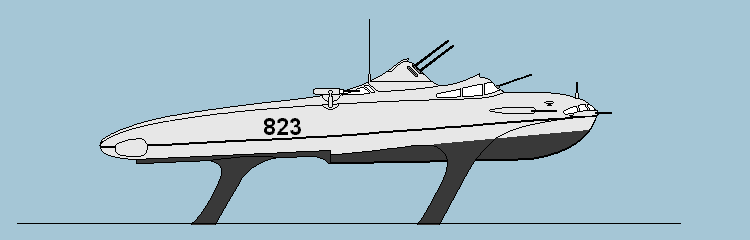
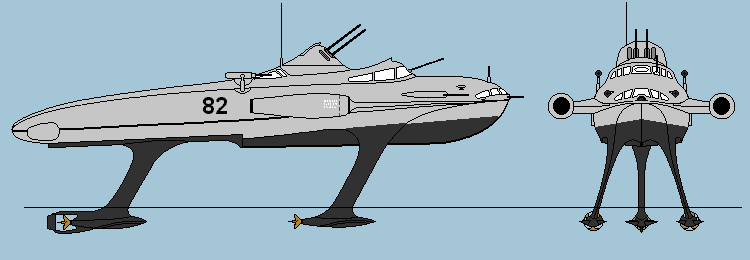
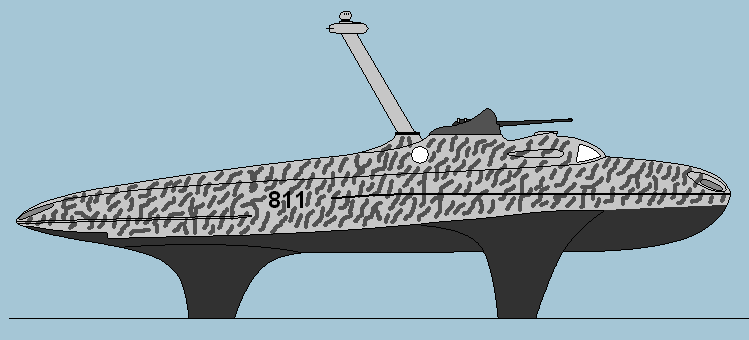
The Fast Attack boats - called E-Boats by the Allied - were the primary attack crafts for coastal water that took over the role of the classical torpedo boat. Besides several only slightly different classes of the so called S-Boats which operated very successful, multiple design studies of very unconventional Fast Attack Boats were made but never completed. As an example for these designs- including hydrofoils, jet powered boats or submergible crafts - the projects of the small attack craft group (K-Verband) by Wendel are shown.
Operating in coastal waters, the offensive S-boats (called E-Boats - Enemy boats - by the Allied), were a very effective weapon. They took over the role of the torpedoboats after those ships were more and more used for duty normally fulfilled by destroyers.
The fast attack boats were used in almost all theaters of war, the Baltic Seas, the Mediterranean or the Black Sea, but their main operational area was the British Channel where they attacked coastal shipping, especially during the night. Their operational record was quite successful, the S-boats sunk over 40 warships (including 12 destroyers) and far over 100 merchants, while damaging 14 other warships (including 2 cruisers) and 15 merchants. But this was not archived without heavy losses, especially in the later years of the war. Being vulnerable to air attacks and without nay radar, the S-boats lost the surprise factor in their night attacks and had to abort more attacks than they could bring to an end.
One more unknown fast is that S-boats were also intensively used for mine laying operations. In fact most of these operations made by S-boats were mine laying operations, but as the boats could only carry up to 6 mines those operations had only a minor success.
At the outbreak of World War II, only 18 S-boats were in service, but between 1940 and 1945 about 230 of these boats were built. Although there were several classes of those ships, all had the same basic design and most of them were built at one single shipyard, Lürssen in Vegesack, which continued to build successful fast attack crafts after the war. Several boats were used by other navies after the war, two of them were added to the new formed Bundesmarine in 1957.
Built and commissioned
Operational classes

Fast attack boat class
Schnellboot 1931
4 boats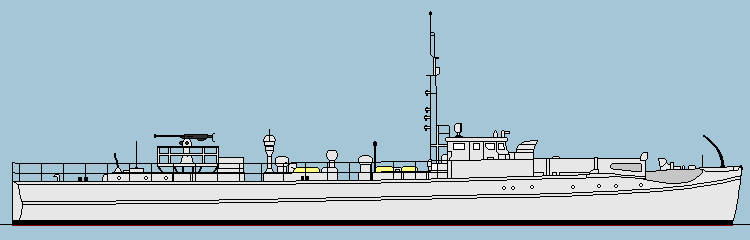
Fast attack boat class
Schnellboot 1933
7 boats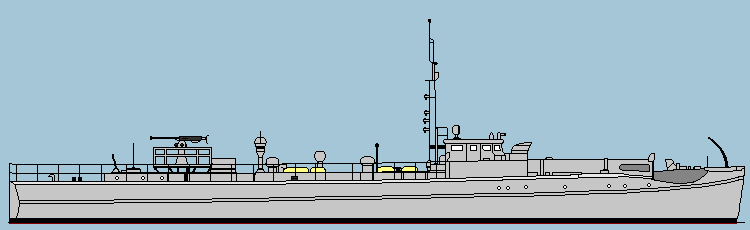
Fast attack boat class
Schnellboot 1934
4 boats
Fast attack boat class
Schnellboot 1937
8 boats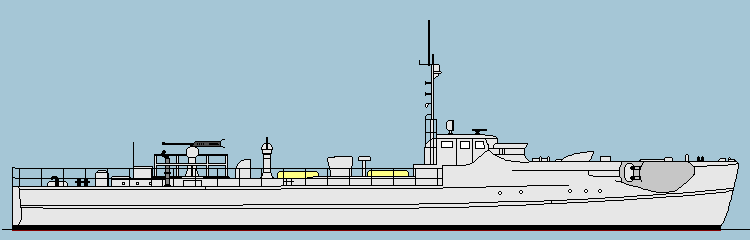
Fast attack boat class
Schnellboot 1939
16 boats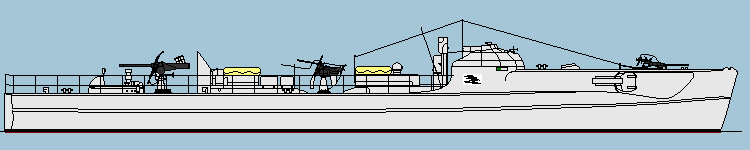
Fast attack boat class
Schnellboot 1939/1940
203 boats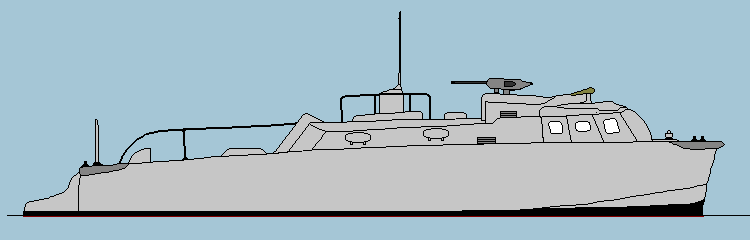
Fast attack boat class
Leichte Schnellboote
34 boats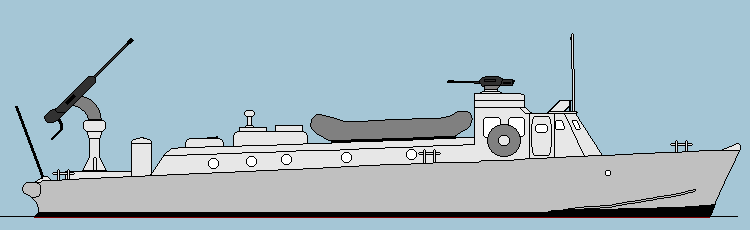
Fast attack boat class
Küstenminenleger
36 boatsConcepts and studies