The fast wing of the fleet

From Von der Tann to Ersatz Yorck

German battlecruiser development emphasized survival as much as speed. Successive designs increased firepower from 28 cm to a projected 38 cm while preserving the armor and subdivision needed to operate in the North Sea battle line.

Von der Tann Moltke classSeydlitz classDerfflinger classMackensen classErsatz Yorck class
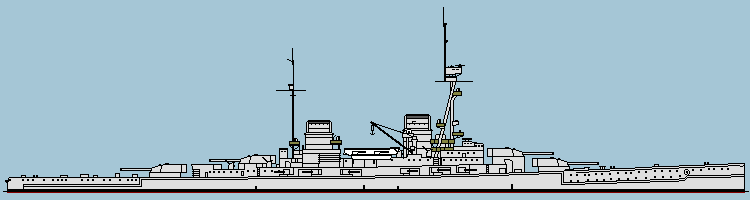
Profile of the Von der Tann design

Von der Tann class

Von der Tann

1910–1919
Germany's first battlecruiser fought from the North Sea to Jutland before sharing the fleet's final fate at Scapa Flow.Explore ship →
Profile of the Moltke design

Moltke class

Moltke

1911–1919
A veteran of Dogger Bank, the Baltic and Jutland, Moltke survived a demanding war only to be scuttled with the fleet.Explore ship →
Profile of the Moltke design

Moltke class

Goeben

1912–1974
Goeben's escape to Constantinople reshaped the Mediterranean war and began an extraordinary career under the Ottoman and Turkish flags.Explore ship →
Profile of the Seydlitz design

Seydlitz class

Seydlitz

1913–1919
Seydlitz survived devastating damage at Dogger Bank and Jutland, becoming the defining example of German battlecruiser resilience.Explore ship →
Profile of the Derfflinger design

Derfflinger class

Derfflinger

1914–1919
Known to the British as the Iron Dog, Derfflinger fought at Dogger Bank and Jutland before ending her career at Scapa Flow.Explore ship →
Profile of the Derfflinger design

Derfflinger class

Lützow

1915–1916
Lützow helped sink two British battlecruisers at Jutland, but progressive flooding forced her own escorts to scuttle her during the withdrawal.Explore ship →
Profile of the Derfflinger design

Derfflinger class

Hindenburg

1917–1919
The last completed German battlecruiser arrived too late for the great fleet battles and saw only limited service before Scapa Flow.Explore ship →
Profile of the Mackensen design

Mackensen design

Mackensen

1915–1923
Mackensen was launched as the lead ship of a powerful new class, but wartime shortages stopped construction before completion.Explore project →
Profile of the Mackensen design

Mackensen design

Prinz Eitel Friedrich

1915–1920
Prinz Eitel Friedrich remained an incomplete Mackensen-class hull as wartime priorities diverted resources away from capital-ship construction.Explore project →
Profile of the Mackensen design

Mackensen design

Graf Spee

1915–1921
Graf Spee reached the water but never completion, one of several advanced battlecruisers overtaken by wartime shortages and defeat.Explore project →
Profile of the Mackensen design

Mackensen design

Fürst Bismarck (Battlecruiser)

1915–1922
Fürst Bismarck never left the building slip, as the fourth Mackensen-class battlecruiser gave way to more urgent wartime needs.Explore project →
Profile of the Ersatz Yorck design

Ersatz Yorck design

Yorck

1916
Yorck introduced 38 cm guns to an enlarged battlecruiser design, but only limited construction began before the project was abandoned.Explore project →
Profile of the Ersatz Yorck design

Ersatz Yorck design

Ersatz Gneisenau

1916
Ersatz Gneisenau was planned as a 38 cm-gunned battlecruiser, but wartime constraints kept the advanced ship from approaching completion.Explore project →
Profile of the Ersatz Yorck design

Ersatz Yorck design

Ersatz Scharnhorst

1916
Ersatz Scharnhorst remained an incomplete final-generation battlecruiser, designed around heavy guns but halted long before launch.Explore project →