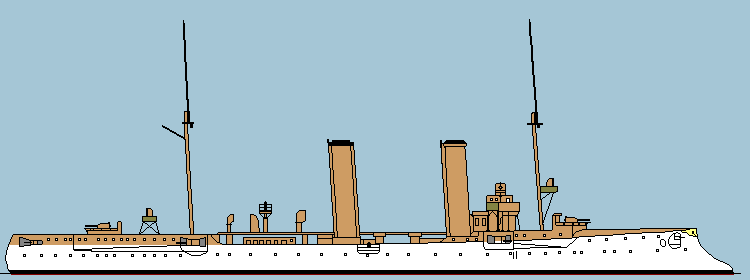
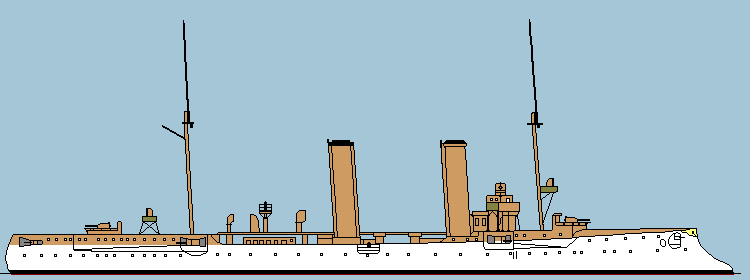
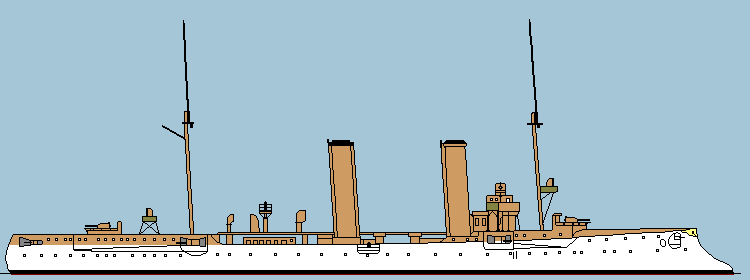
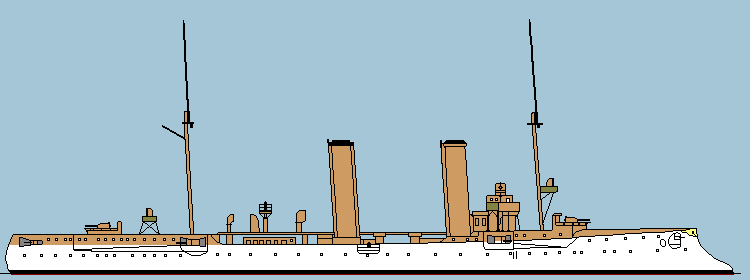
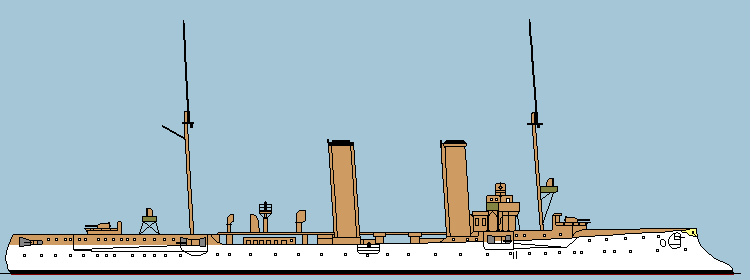
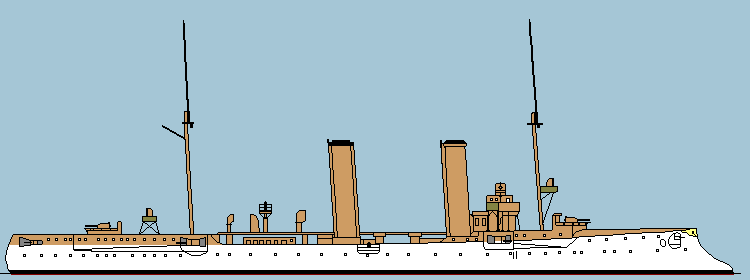
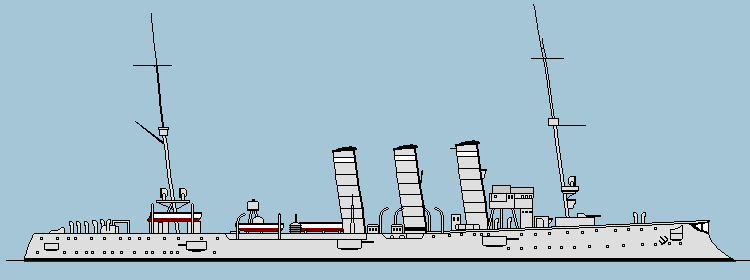
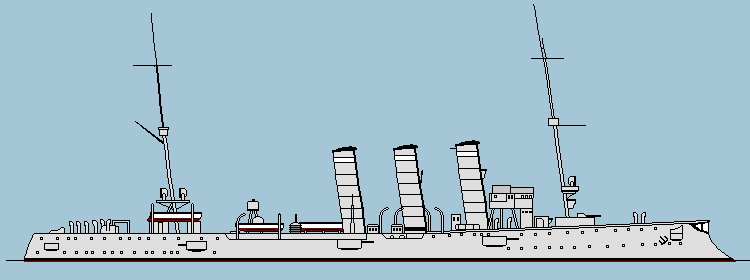
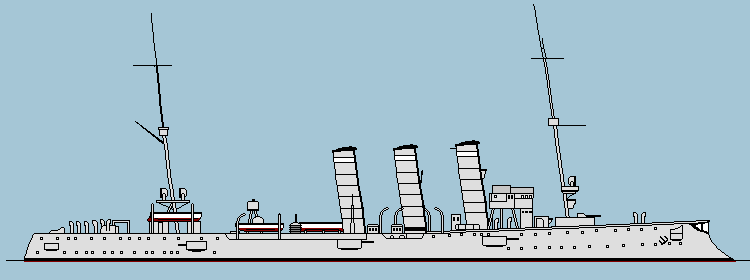
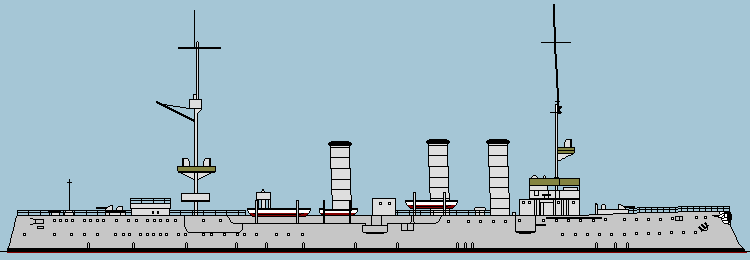
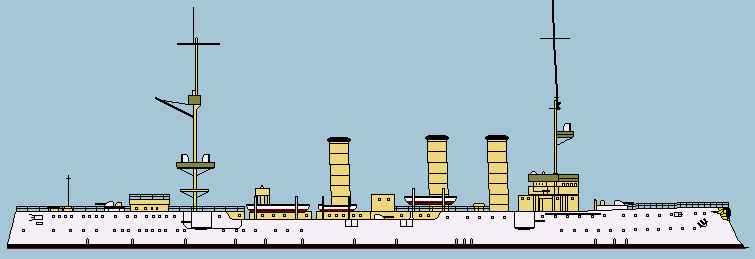
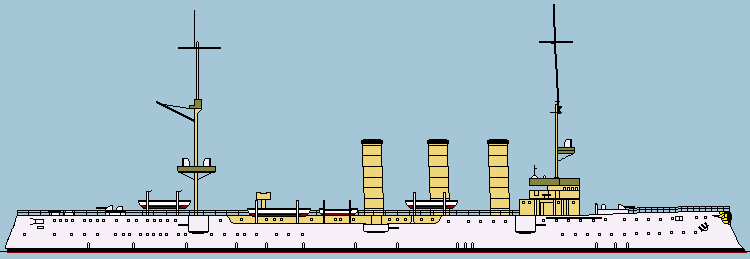
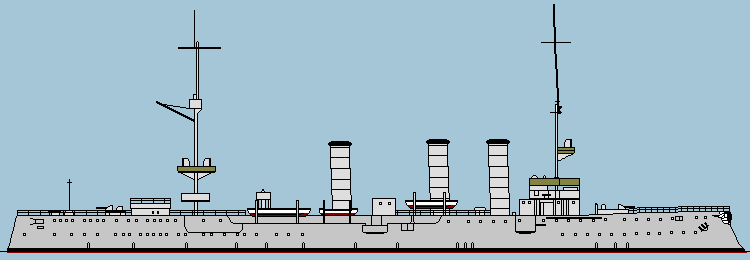
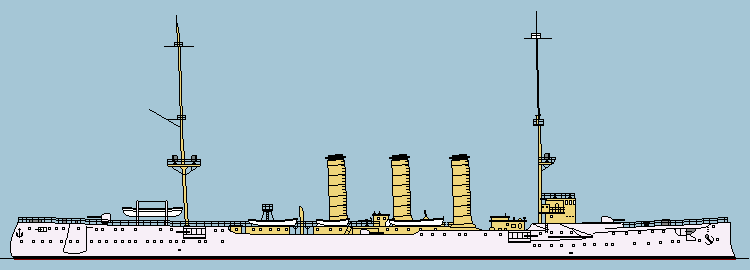
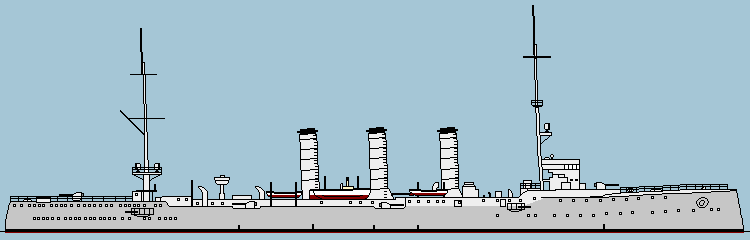
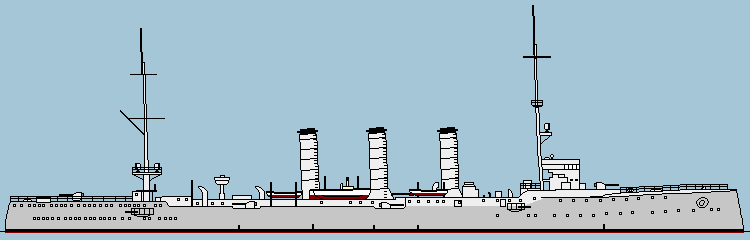
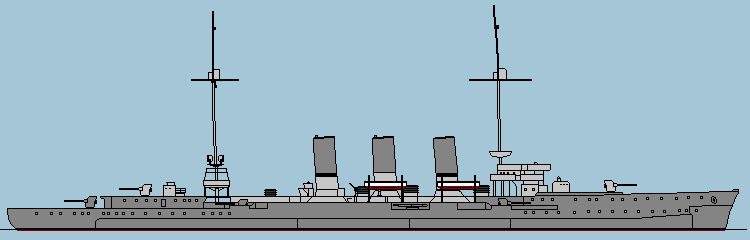
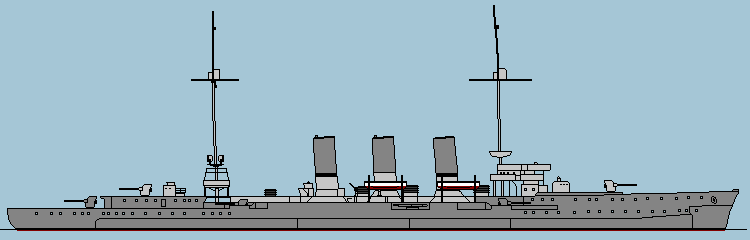
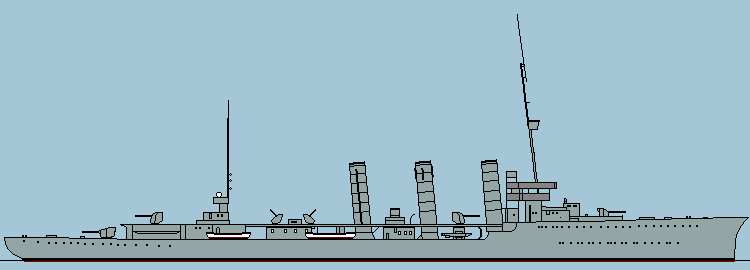
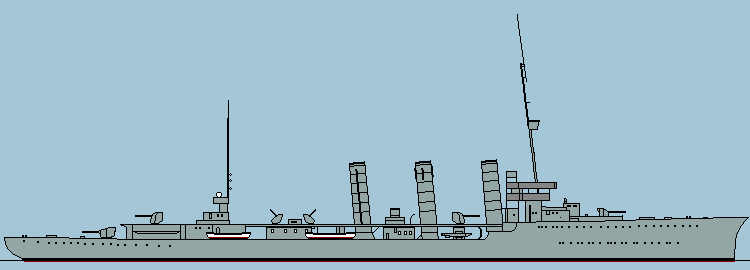
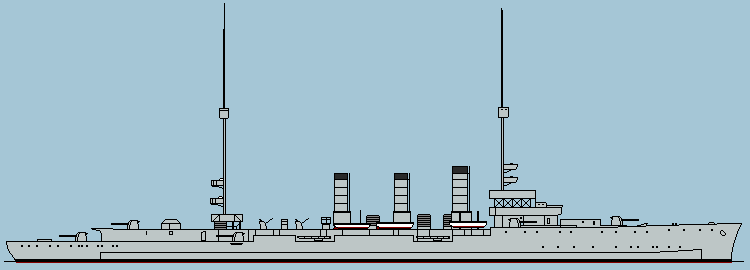
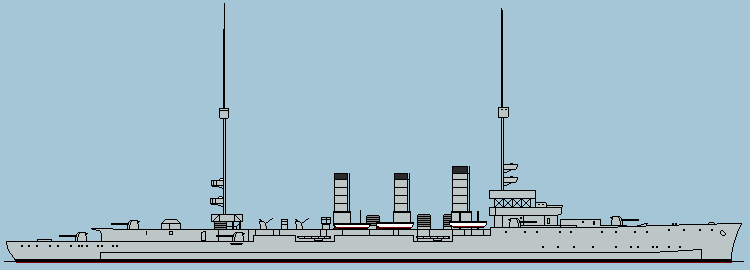
The fleet's adaptable cruisers

From Gazelle to the 1916 fleet cruiser

Successive classes grew in speed, protection and gun power. Their careers ranged from colonial stations and training voyages to Jutland, commerce warfare and service under foreign flags.
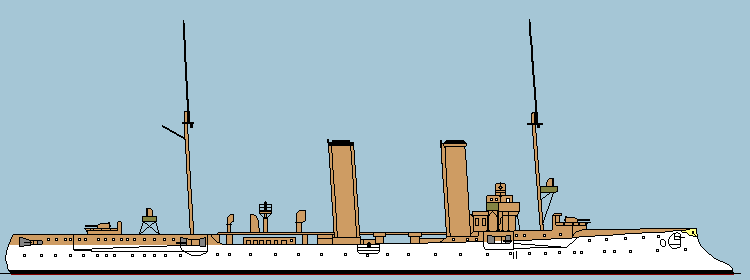
Gazelle classBremen classStettin classDresden classKolberg classMagdeburg classKarlsruhe classPillau classGraudenz classWiesbaden classBrummer classKönigsberg II classCöln II classFlottenkreuzer 1916 class
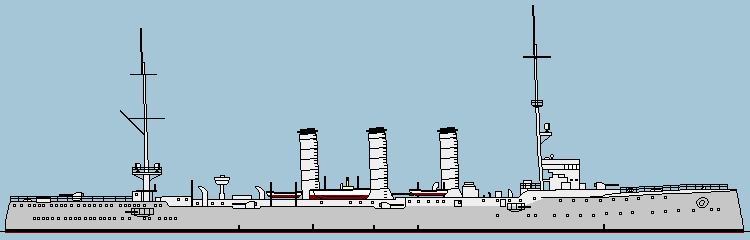
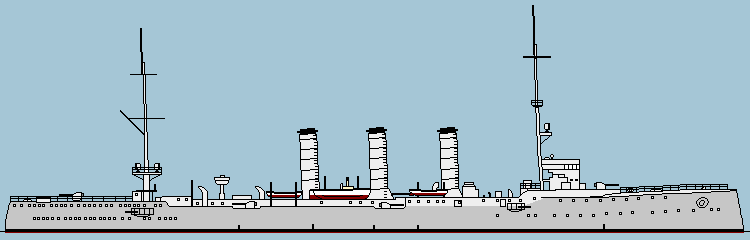
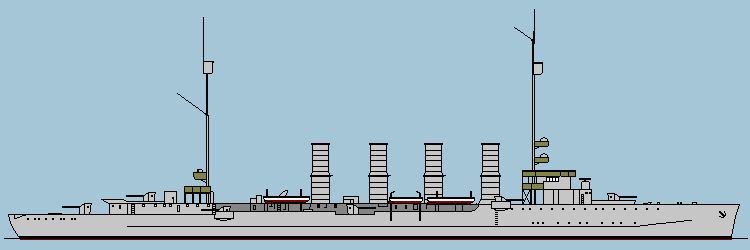
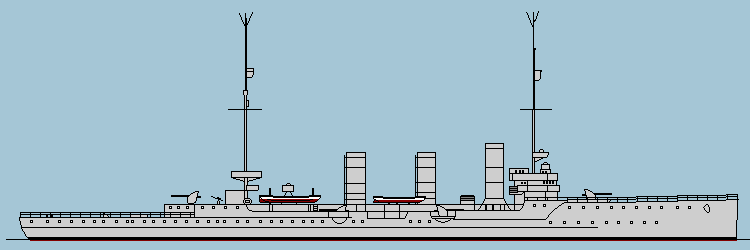
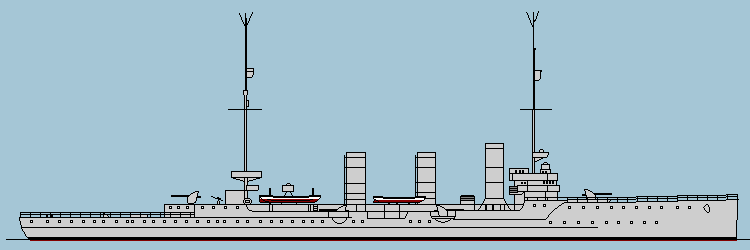
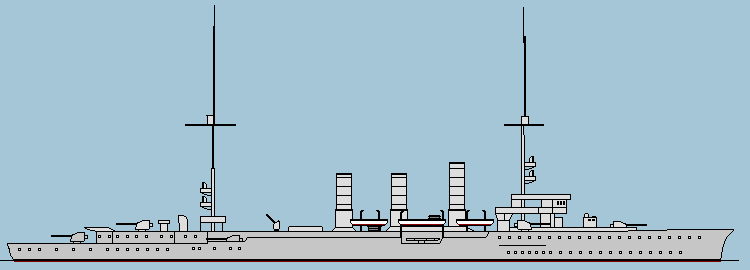
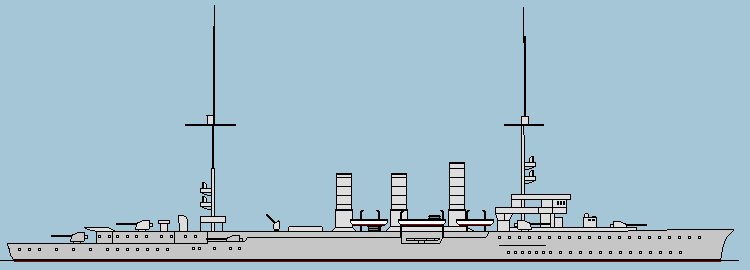
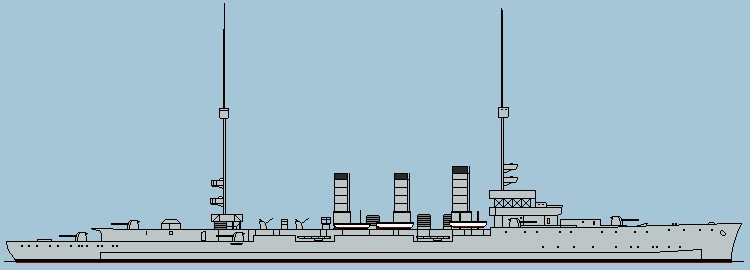
Profile of Gazelle

Gazelle class

Gazelle

1900–1920
After helping define the new cruiser type, she moved from fleet and overseas duties into mine warfare and reserve service.Explore entry →
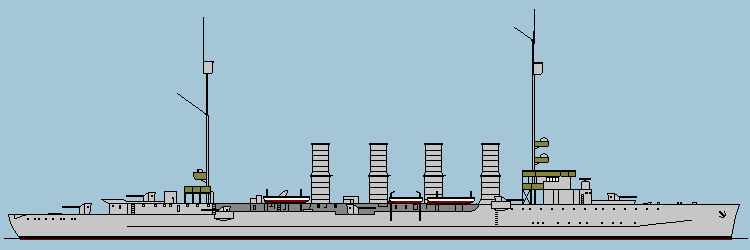
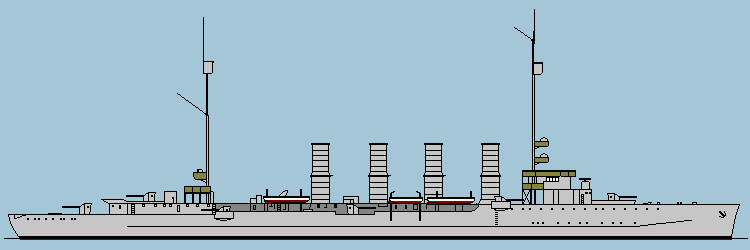
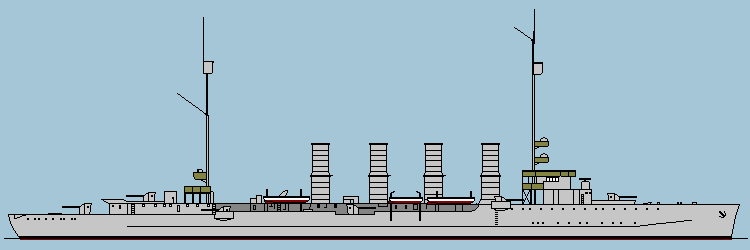
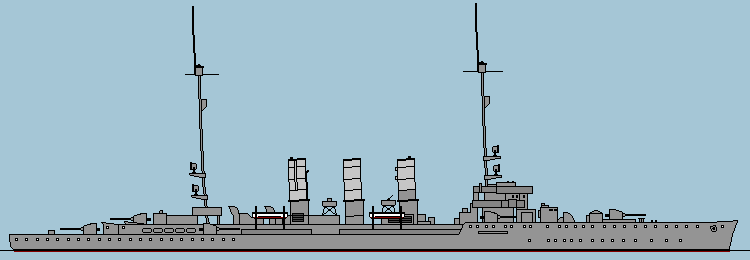
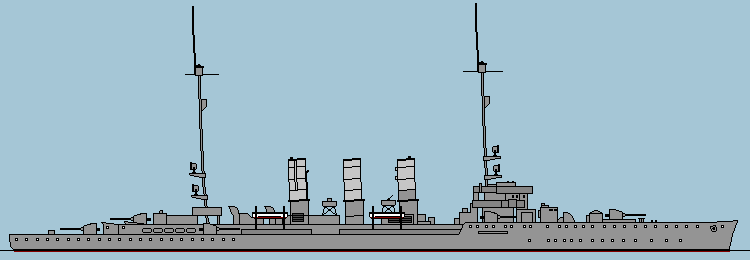
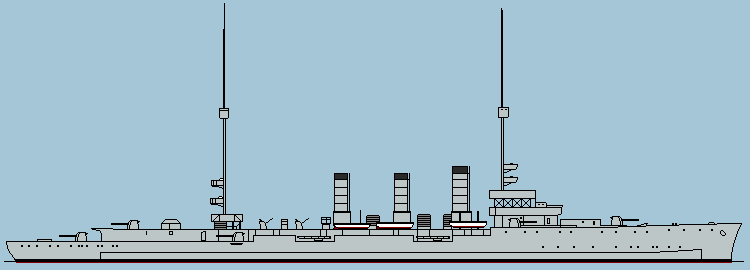
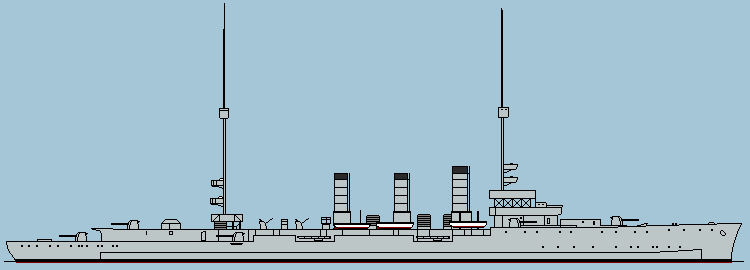
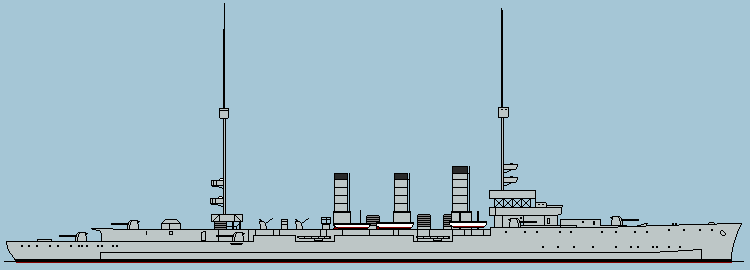
Profile of Niobe

Gazelle class

Niobe

1900–1925
Her career extended far beyond the Imperial Navy through Yugoslav service and ended only during the Second World War.Explore entry →
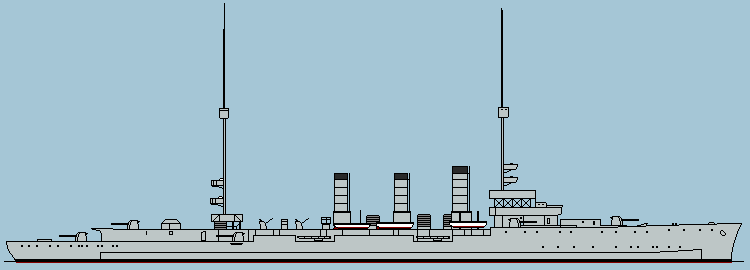
Profile of Nymphe

Gazelle class

Nymphe

1900–1932
She served the fleet before becoming a training and accommodation ship, surviving into the interwar Reichsmarine.Explore entry →
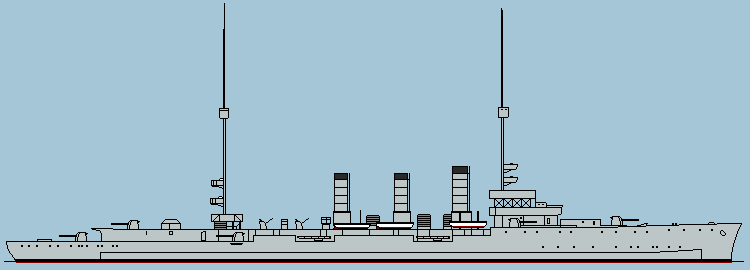
Profile of Thetis

Gazelle class

Thetis

1901–1930
Overseas deployment and wartime coastal duties gave her a varied career before postwar Reichsmarine service.Explore entry →
Profile of Ariadne

Gazelle class

Ariadne

1901–1914
Assigned to the North Sea scouting forces, she was caught and destroyed during the Battle of Heligoland Bight.Explore entry →
Profile of Amazone

Gazelle class

Amazone

1901–1954
A long sequence of training and support assignments allowed her to survive both world wars and remain in use until 1954.Explore entry →
Profile of Medusa

Gazelle class

Medusa

1901–1945
After First World War service she returned as a floating anti-aircraft battery during the final phase of the Second World War.Explore entry →
Profile of Frauenlob

Gazelle class

Frauenlob

1903–1916
She fought at Heligoland Bight and Jutland, where a torpedo strike caused her rapid loss with most of the crew.Explore entry →
Profile of Arcona

Gazelle class

Arcona

1903–1945
Fleet reconnaissance led to training and support work, followed decades later by service as a floating anti-aircraft battery.Explore entry →
Profile of Undine

Gazelle class

Undine

1904–1915
Mostly employed in training and coastal duties, she was torpedoed by a British submarine in the Baltic in 1915.Explore entry →
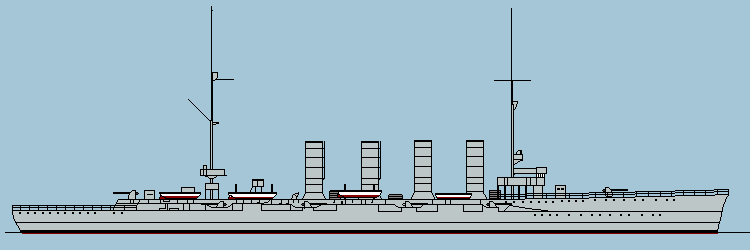
Profile of Bremen

Bremen class

Bremen

1904–1915
Extensive overseas service was followed by Baltic operations, where a mine ended her career in December 1915.Explore entry →
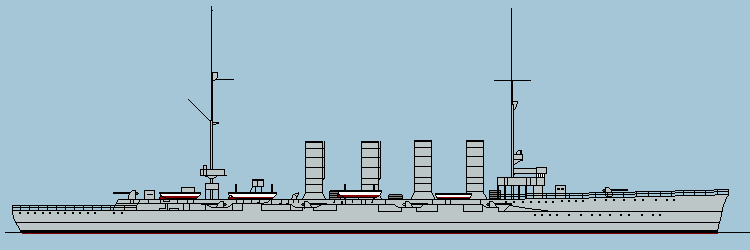
Profile of Berlin

Bremen class

Berlin

1905–1947
She combined overseas cruises, fleet duty and interwar training before ending her unusually long career as a Soviet depot ship.Explore entry →
Profile of Danzig

Bremen class

Danzig

1907–1919
Fleet scouting and Baltic operations occupied her active years before she was surrendered and dismantled after the war.Explore entry →
Profile of Hamburg

Bremen class

Hamburg

1904–1944
A prewar fleet scout, she later served as a command, accommodation and training vessel through two German navies.Explore entry →
Profile of Leipzig

Bremen class

Leipzig

1906–1914
As part of the East Asia Squadron, she fought at Coronel before being sunk by British battlecruisers off the Falklands.Explore entry →
Profile of München

Bremen class

München

1905–1919
She served with the scouting forces and was damaged at Jutland, then withdrew from active duty as the war continued.Explore entry →
Profile of Lübeck

Bremen class

Lübeck

1905–1919
The first German cruiser driven by turbines proved the machinery in fleet service and operated extensively in the Baltic.Explore entry →
Profile of Stettin

Stettin class

Stettin

1907–1920
She joined prewar overseas deployments, fought at Heligoland Bight and Jutland and finished the war in secondary service.Explore entry →
Profile of Nürnberg

Stettin class

Nürnberg

1908–1914
From the East Asia Squadron she fought at Coronel and was then overtaken and sunk during the Falklands battle.Explore entry →
Profile of Königsberg

Stettin class

Königsberg

1907–1915
Trapped in the Rufiji Delta after commerce-raiding operations, she resisted British attacks until her crew destroyed the ship.Explore entry →
Profile of Stuttgart

Stettin class

Stuttgart

1908–1920
After fleet and Baltic service she was converted into an aircraft support ship, one of the navy's earliest aviation conversions.Explore entry →
Profile of Dresden

Dresden class

Dresden

1908–1915
A successful commerce-raiding cruise ended at Más a Tierra, where British forces cornered and destroyed her in neutral waters.Explore entry →
Profile of Emden

Dresden class

Emden

1909–1914
Her independent Indian Ocean campaign became the Imperial Navy's most celebrated cruiser operation before her loss at Cocos Island.Explore entry →
Profile of Kolberg

Kolberg class

Kolberg

1910–1920
She fought in the North Sea and Baltic, laid mines and supported amphibious operations before passing to France after the war.Explore entry →
Profile of Augsburg

Kolberg class

Augsburg

1910–1922
Baltic reconnaissance, bombardment and mine warfare made her one of the most consistently employed cruisers in that theater.Explore entry →
Profile of Cöln

Kolberg class

Cöln

1911–1914
She served with the scouting forces and was sunk during the confused close-range action at Heligoland Bight in August 1914.Explore entry →
Profile of Mainz

Kolberg class

Mainz

1909–1914
Detached patrol duty placed her in the path of superior British forces at Heligoland Bight, where she fought until disabled and sunk.Explore entry →
Profile of Magdeburg

Magdeburg class

Magdeburg

1912–1914
Grounding during a Baltic operation led to her destruction and the capture of German signal books by Russian forces.Explore entry →
Profile of Breslau

Magdeburg class

Breslau

1912–1918
Transferred to the Ottoman Navy as Midilli, she fought in the Black Sea until mines sank her near Imbros in 1918.Explore entry →
Profile of Stralsund

Magdeburg class

Stralsund

1912–1920
North Sea reconnaissance and minelaying were followed by French service as Mulhouse after the armistice.Explore entry →
Profile of Straßburg

Magdeburg class

Straßburg

1912–1920
She served in both major German theaters before transfer to Italy, surviving there until wartime loss in 1943.Explore entry →
Profile of Karlsruhe

Karlsruhe class

Karlsruhe

1914–1914
A productive Atlantic and Caribbean commerce-raiding campaign ended abruptly when an internal explosion destroyed the ship.Explore entry →
Profile of Rostock

Karlsruhe class

Rostock

1914–1916
She screened the fleet at Jutland until a torpedo disabled her, forcing German escorts to scuttle the cruiser during withdrawal.Explore entry →
Profile of Pillau

Pillau class

Pillau

1914–1920
Completed from a Russian order, she fought at Jutland and later served Italy for two decades as the cruiser Bari.Explore entry →
Profile of Elbing

Pillau class

Elbing

1915–1916
Her gunfire opened part of the night action at Jutland, but a collision with Posen caused damage that forced abandonment.Explore entry →
Profile of Graudenz

Graudenz class

Graudenz

1914–1937
North Sea and Baltic service preceded transfer to Italy, where she continued a long career under the name Ancona.Explore entry →
Profile of Regensburg

Graudenz class

Regensburg

1915–1944
She led torpedo-boat flotillas at Jutland and later served France as Strasbourg before destruction in the Second World War.Explore entry →
Profile of Wiesbaden

Wiesbaden class

Wiesbaden

1915–1916
Disabled early at Jutland, she remained between the battle lines and was destroyed with nearly her entire crew.Explore entry →
Profile of Frankfurt

Wiesbaden class

Frankfurt

1915–1921
She survived Jutland and the war, then was expended as a bombing target in an American naval aviation demonstration.Explore entry →
Profile of Brummer

Brummer class

Brummer

1916–1919
Her speed and minelaying capacity culminated in the successful 1917 attack on a Scandinavian convoy before Scapa Flow.Explore entry →
Profile of Bremse

Brummer class

Bremse

1916–1919
She operated with her sister in fast minelaying and commerce attacks, then shared the fleet's scuttling at Scapa Flow.Explore entry →
Profile of Königsberg II

Königsberg II class

Königsberg II

1916–1936
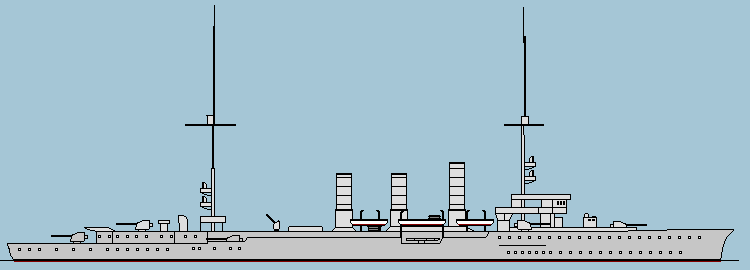
Late-war fleet and Baltic operations were followed by surrender to France, where she served as Metz.Explore entry →
Profile of Emden II

Königsberg II class

Emden II

1916–1919
Commissioned late in the war, she joined the fleet before passing to France and serving under the name Strasbourg.Explore entry →
Profile of Karlsruhe II

Königsberg II class

Karlsruhe II

1916–1919
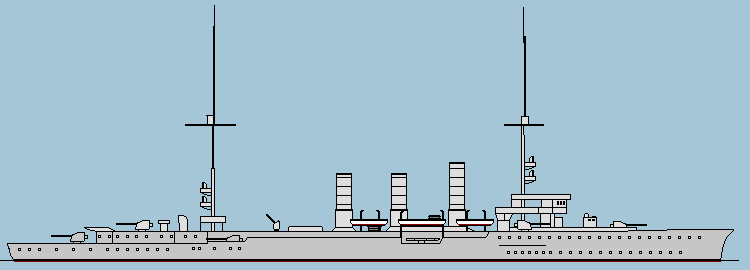
Her brief operational career ended not in battle but with the interned fleet's mass scuttling at Scapa Flow.Explore entry →
Profile of Nürnberg II

Königsberg II class

Nürnberg II

1917–1919
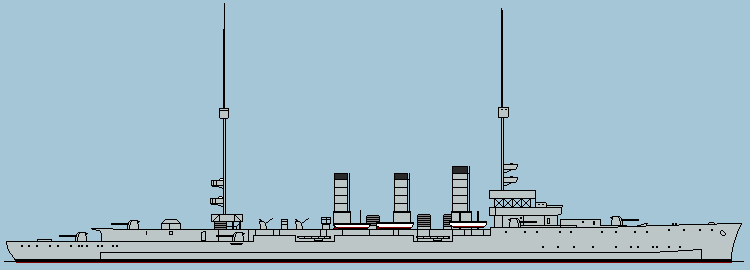
She entered service in the final war years, fought during the fleet mutiny and was later transferred to Britain.Explore entry →
Profile of Cöln II

Cöln II class

Cöln II

1918–1919
One of only two completed ships of the final class, she saw limited service before being scuttled at Scapa Flow.Explore entry →
Profile of Wiesbaden II

Cöln II class

Wiesbaden II

1915–1920
Launched too late for completion, she remained an unfinished hull and was dismantled after the war.Explore entry →
Profile of Dresden II

Cöln II class

Dresden II

1918–1919
The second completed Cöln-class cruiser entered service in 1918 and ended with the fleet at Scapa Flow.Explore entry →
Profile of Magdeburg II

Cöln II class

Magdeburg II

1916–1922
Wartime shortages stopped construction before completion, leaving the launched hull to be broken up after the armistice.Explore entry →
Profile of Leipzig II

Cöln II class

Leipzig II

1915–1921
The unfinished cruiser reached the water but never entered service and was dismantled during the postwar reduction.Explore entry →
Profile of Rostock II

Cöln II class

Rostock II

1915–1921
Construction progressed too slowly for wartime completion, and the incomplete hull was scrapped after defeat.Explore entry →
Profile of Frauenlob II

Cöln II class

Frauenlob II

1915–1921
Launched only weeks before the armistice, she never approached operational readiness and was later dismantled.Explore entry →
Profile of Ersatz Cöln

Cöln II class

Ersatz Cöln

1916–1921
The replacement cruiser remained incomplete when the war ended and was broken up without entering the water.Explore entry →
Profile of Ersatz Emden

Cöln II class

Ersatz Emden

1916–1921
Ordered as part of the final cruiser program, she remained an unfinished shipyard project at the armistice.Explore entry →
Profile of Ersatz Karlsruhe (A)

Cöln II class

Ersatz Karlsruhe (A)

1916–1920
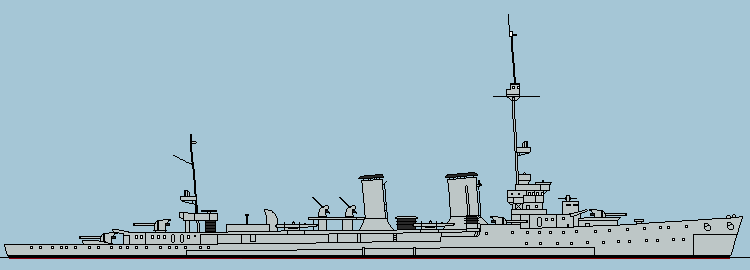
Only limited construction began before wartime priorities and defeat ended the replacement-cruiser project.Explore entry →
Profile of Flottenkreuzer (Entwurf 1916)

Flottenkreuzer 1916 class

Flottenkreuzer (Entwurf 1916)

Project
The design proposed a stronger fleet scout, but material pressure ensured that it never advanced beyond planning.Explore entry →