From design studies to conversions

Carriers from available hulls

By 1940 the need for carrier support was clear, but new fleet carriers would take too long to build. Designers therefore examined a small purpose-built carrier, passenger liners and two incomplete cruisers.

Stability problems, limited speed, material costs and changing wartime priorities ended every proposal before a German conversion carrier could be completed.
Profile for Kleiner Flugzeugträger

Purpose-built light carrier

Kleiner Flugzeugträger

Project
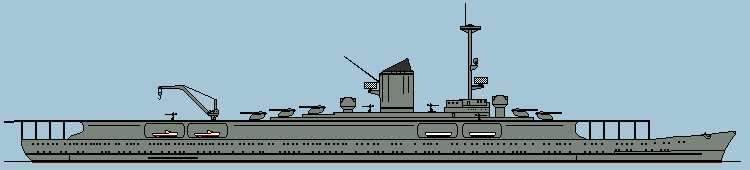
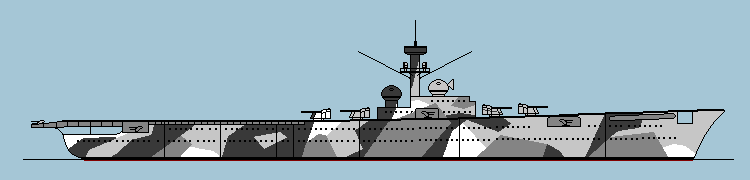
A compact 6,000-ton carrier study intended to operate up to fifteen fighters, but never developed beyond an initial design.Explore project →
Profile for De Grasse

Captured cruiser conversion

De Grasse

Project
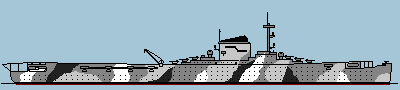
An incomplete French cruiser considered for conversion into an auxiliary carrier before cost, air raids and sabotage ended the project.Explore project →
Profile for Europa

Passenger liner conversion

Europa

Project
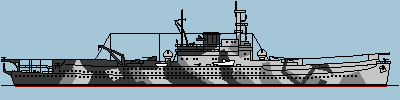
Germany's largest passenger liner entered the 1942 carrier program, but poor stability and high fuel consumption made conversion impractical.Explore project →
Profile for Gneisenau

Project Jade

Gneisenau

Project
A North German Lloyd passenger ship studied as an auxiliary carrier before stability and fuel concerns canceled Project Jade.Explore project →
Profile for Potsdam

Project Elbe

Potsdam

Project
A passenger liner selected for carrier conversion and later considered as a training carrier before work stopped in February 1943.Explore project →
Profile for Seydlitz

Project Weser

Seydlitz

Project
An unfinished Admiral Hipper-class cruiser stripped for conversion into carrier Weser, but abandoned before the flight deck was built.Explore project →